For many families, the size of an early childhood group is one important piece of choosing a program. Children ages 3–5 are learning how to join a group, communicate needs, follow simple routines, and care for shared spaces. A small-group environment can offer a calm setting for practicing those everyday skills while adults get to know each child’s interests and rhythms.
More room for familiar relationships
Young children often learn through repetition and connection. When a group is smaller, children may have more opportunities to recognize the adults and classmates in their day, learn names, and settle into familiar patterns. That familiarity can make greetings, cleanup, meals, and transitions feel easier to approach over time. Every child responds differently, so families can look for an environment where their child has time to warm up at their own pace.
Gentle support during daily routines
Daily routines are full of learning opportunities. In a small group, an adult may be better able to notice when a child needs a reminder, a little extra time, or a chance to try independently. A child might practice putting away a coat, choosing a work area, pouring water with help nearby, or joining a cleanup routine. These ordinary moments connect well with everyday ways preschoolers build independence.
Opportunities to participate
Smaller groups can make it easier for children to take part in conversations and activities. A child may have a chance to share an observation, ask a question, or help with a simple classroom task without feeling lost in a crowd. This does not mean every child will want to speak right away. Quiet observation is also a meaningful way to participate, especially when children are new to a setting.
A calmer pace for transitions
Transitions can be challenging for preschoolers, whether the group is moving from play to lunch or from outdoors to a story. A small-group setting may allow adults to give clear, individual reminders and children a little space to complete one step before beginning the next. Predictable routines can support this process; families can explore why daily routines help young children for ideas that apply at home as well.
Space for hands-on learning
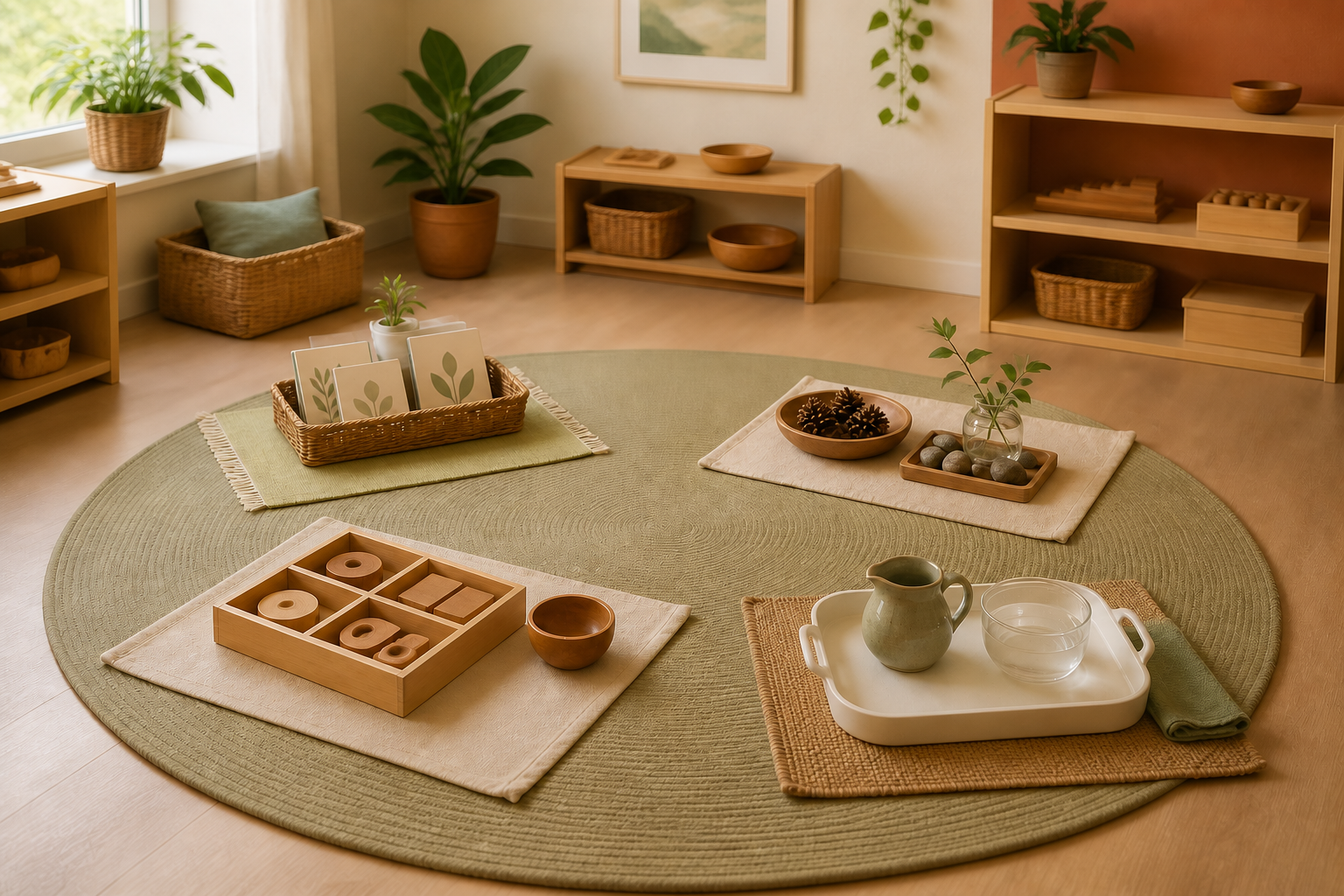
For preschoolers, learning often involves moving, touching, repeating, and trying again. Smaller groups may make it more practical to prepare a few accessible materials, notice when an activity is ready for another child, and allow time to complete a task. Montessori-inspired environments often value this kind of hands-on work, but families can ask any program how children are encouraged to make choices, care for materials, and return to activities over time.
What families can observe
Group size is only one part of a program’s environment. During a visit, families can notice how adults speak with children, how children are welcomed into activities, and whether materials and routines fit the ages served. It can also help to ask how the program supports children who need time to observe, extra help with transitions, or different kinds of participation.
A small-group early childhood environment is not a guarantee of any particular outcome. It is simply one setting that may offer children ages 3–5 more chances for familiar relationships, thoughtful guidance, and everyday participation. The best fit is the one that feels respectful, safe, and workable for a child and family.