
Warm, practical guidance for families of children ages 3–5, including Montessori-inspired learning, child development, program preparation, and local family resources.
-
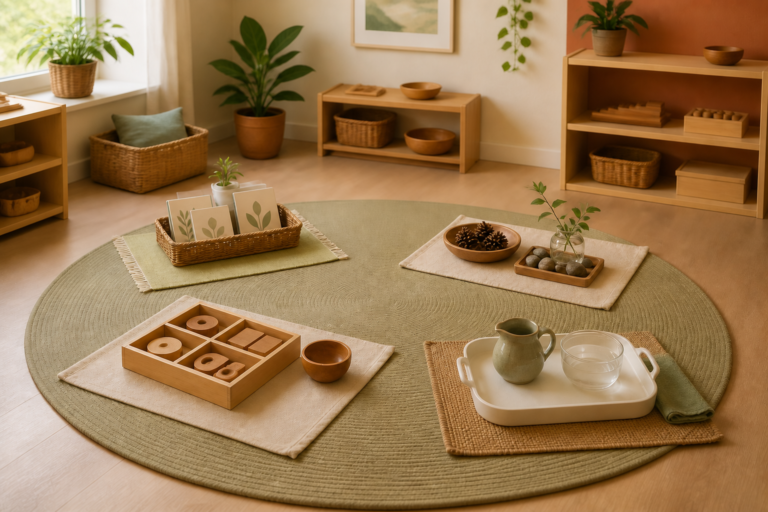
Helping Children Navigate Drop-Off Transitions
Drop-off can be one of the most emotional parts of a young child’s day. Some preschoolers walk in easily, while others need extra time, reassurance, or a familiar routine. Both responses can change from day to day. Name the plan before you arrive A brief reminder on the way—where you are going, who will be…
-
What Families Can Notice in an Early Childhood Outdoor Play Space
Outdoor time can look different from one early childhood program to another. During a visit, families can notice not only the equipment but also how the space supports movement, supervision, shade, routines, and a range of ways for young children to participate. Look for clear supervision practices Ask how adults position themselves, how children are…
-
Supporting Fine-Motor Skills Through Everyday Play
Fine-motor skills involve the small movements of hands and fingers that children use for tasks like turning pages, fastening clothing, drawing, and handling everyday objects. Preschoolers build these skills through many ordinary play and care routines. Try simple transferring activities Moving dry pasta with a spoon, placing pom-poms in a container, or using tongs to…
-
How Children Learn to Care for Shared Materials
Caring for shared materials is a practical skill children begin learning through repeated everyday experiences. Montessori-inspired environments often invite children to choose, use, return, and care for materials, while adults provide clear limits and helpful demonstrations. Show one complete cycle Instead of only saying “put it away,” slowly show how to choose an item, carry…
-
Reading Together With Preschoolers: Conversation Starters
Reading together is more than finishing every page of a book. For children ages 3–5, pausing to notice pictures, predict what might happen, and connect a story to everyday life can make shared reading feel conversational and enjoyable. Let the cover start the conversation Before opening the book, ask what your child notices on the…
-
Making Mornings Easier With a Preschooler
Mornings with a preschooler can feel busy, especially when everyone is trying to get dressed, eat, and leave on time. The goal is not a flawless routine; it is a predictable flow that gives children a few chances to participate. Prepare one or two things the night before Set out weather-appropriate clothing, place shoes by…
-
Helping Preschoolers Practice Taking Turns at Home
Taking turns is a skill that develops gradually. For many preschoolers, waiting for a turn can feel difficult because they are still learning to notice another person’s perspective, manage a strong feeling, and trust that their own turn will come. Begin with very short turns Choose an activity where each person has a turn for…
-
A Rosenberg–Richmond Guide to Choosing an Early Childhood Program
Choosing an early childhood program in the Rosenberg–Richmond area often involves more than finding a nearby location. For children ages 3–5, everyday experiences are often clearest when adults keep expectations calm, concrete, and connected to a familiar routine. Families do not need a perfect plan; a few thoughtful steps can make it easier to notice…
-
Helping a Child Prepare for Their First Program Visit
A warm, practical guide to helping children ages 3–5 feel prepared for a first visit to an early childhood program.
-
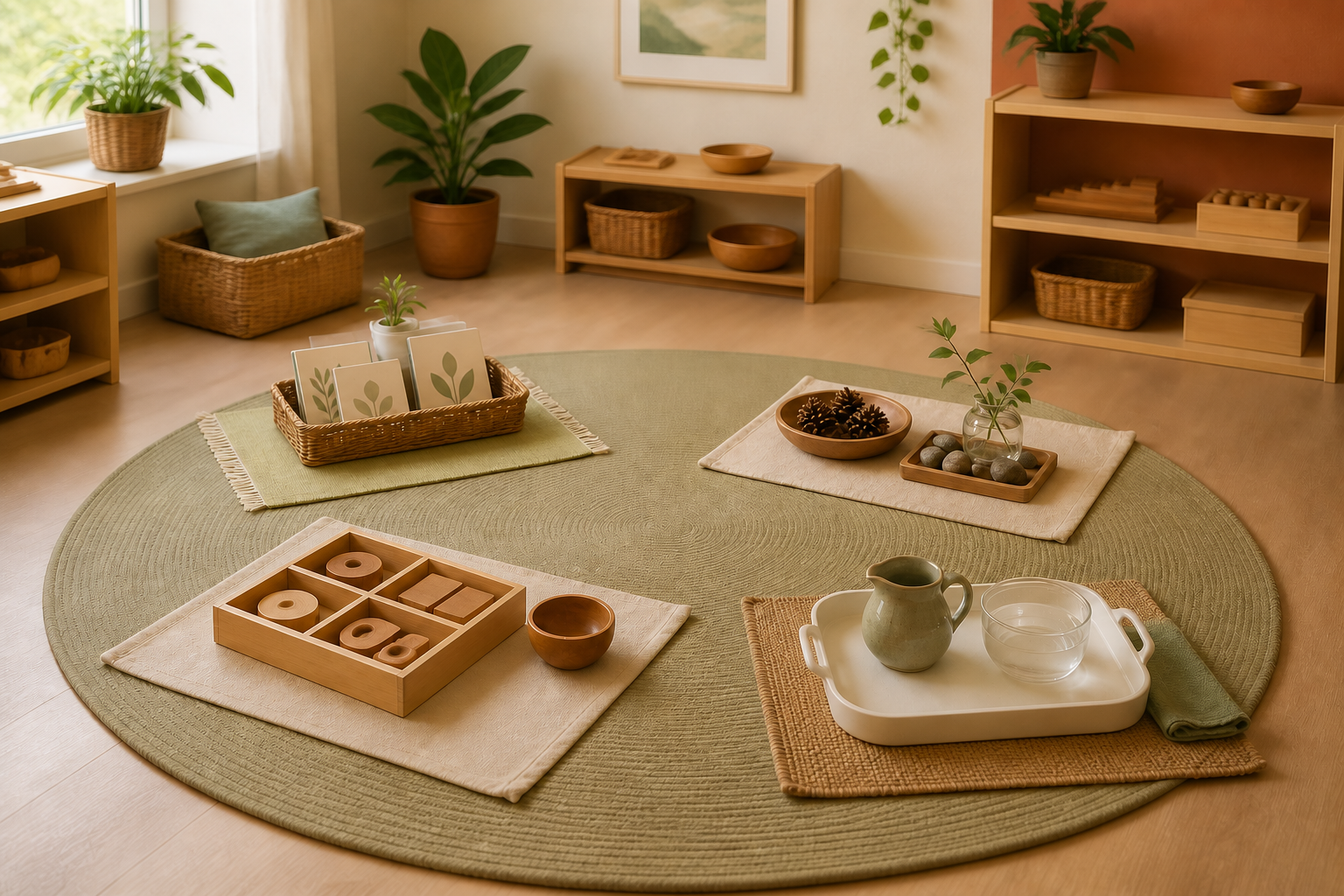
Benefits of a Small-Group Early Childhood Environment
Learn how a small-group early childhood environment can support familiar relationships, daily routines, participation, and gentle transitions for ages 3–5.